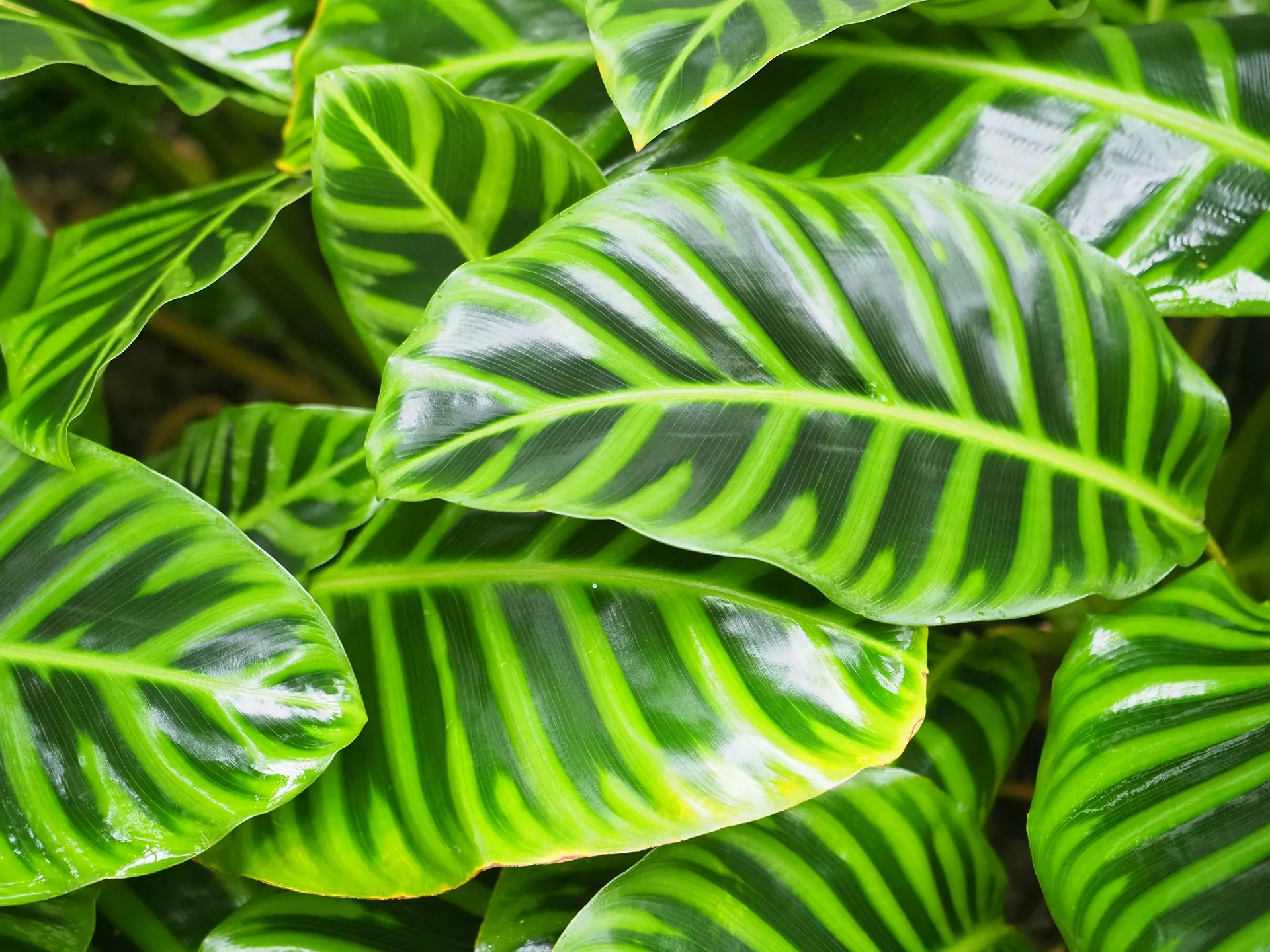
You just brought home a stunning Calathea with its mesmerizing, painted leaves that magically fold up at night. Then, your curious cat walks over, sniffs the foliage, and looks like they’re about to take a big, crunchy bite. Panic sets in: Wait, is this plant going to make my pet sick?!
Take a deep breath—we’ve all been there! Balancing a love for gorgeous indoor jungles with the safety of our four-legged family members can be stressful. The good news? You can completely relax. Let’s look at what the experts say about Calatheas and your furry friends.
Quick Pet Safety Cheat Sheet
| Plant Question | The Short Answer | What It Means for Your Pet |
| Are Calatheas toxic to cats? | No | Completely non-toxic. Safe if nibbled. |
| Are Calatheas toxic to dogs? | No | Completely non-toxic. Safe if chewed. |
| Will my cat get sick if they eat a leaf? | Unlikely | Mild upset stomach only if they eat a massive amount of fiber. |
| Are chemical fertilizers safe? | No | Keep plant food away from pets; use organic options. |
1. The Verdict: Calatheas Are 100% Pet-Safe
Let’s cut straight to the relief: According to the ASPCA, all varieties of Calathea (including Prayer Plants, Peacock Plants, and Rattlesnake Plants) are completely non-toxic to cats, dogs, and horses.
If your cat decides to treat your Calathea like a personal salad bar, you don’t need to rush to the emergency vet. They contain no dangerous chemical compounds, poisonous saps, or toxic crystals that would harm your pet’s internal organs.
2. Why Is My Cat Eating My Calathea Anyway?
Even though Calatheas won’t poison your pets, watching your cat shred those beautiful painted leaves is heartbreaking. Why do they do it?
How to fix it (Protecting your plant and your cat)
- The “Moving Target” attraction: Calatheas move! They literally lift their leaves up at night and lower them in the morning. To a cat, this makes them look like living toys. Try moving your Calathea to a higher shelf or a hanging planter out of paw’s reach.
- Add Cat Grass: Sometimes cats just want to chew on greens to help their digestion. Buy a small pot of dedicated cat grass and place it nearby. Your cat will happily munch on that instead of your expensive tropical collection.
3. Watch Out for Hidden Dangers (Soil and Fertilizer)
While the Calathea plant itself is completely safe, the things we put in the pot might not be.
How to fix it
- Chemical Fertilizers: If you feed your Calathea with liquid chemical fertilizers, make sure the bottle is stored securely away from pets, and never let liquid pool on the top soil where a dog could lick it.
- Fungus Gnat Powders or Systemic Pesticides: Avoid using harsh chemical spike-treatments in the soil if you have pets that like to dig in the dirt. Stick to safe DIY remedies like hydrogen peroxide or cinnamon!
Frequently Asked Questions
What should I do if my cat threw up after chewing a Calathea leaf?
Don’t panic! Cats aren’t built to digest heavy plant fiber. If your cat nibbled a leaf, vomiting is just their body’s natural way of saying “oops, I can’t digest that.” Unless they are showing signs of severe lethargy or continuous illness (which would point to something else), they will be totally fine. Just try to block their access to the plant.
Are all Prayer Plants (Maranta) pet-safe too?
Yes! While Maranta (Prayer Plants) and Calatheas are technically from different plant genera, they belong to the same plant family (Marantaceae) and share the exact same non-toxic, pet-friendly status.