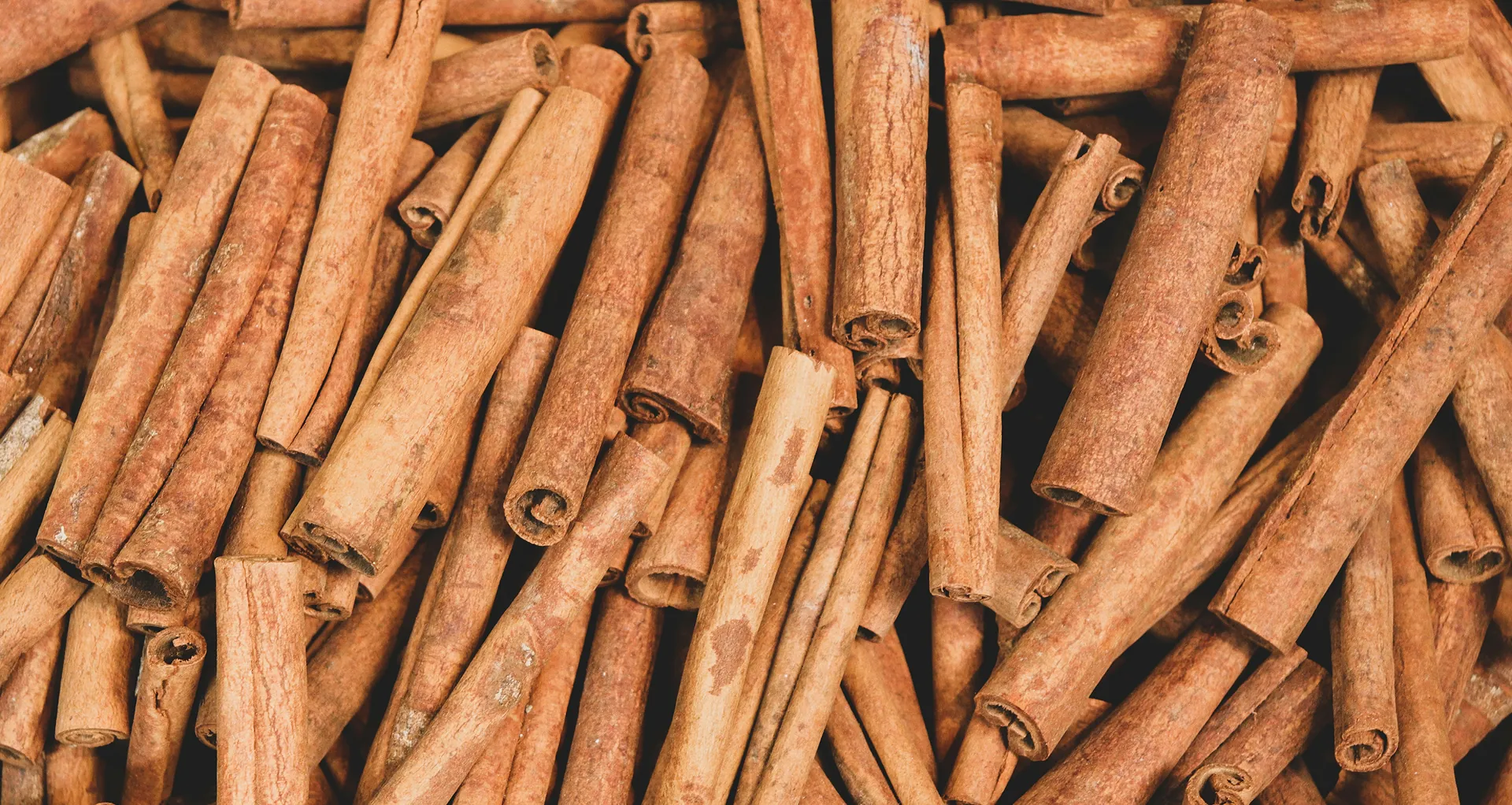
You’ve probably seen hacks online claiming that a simple jar of baking spices can magically transform your plant cuttings into root-packed powerhouses overnight. You head to your kitchen cabinet, grab a container of ground cinnamon, and wonder: Is this really going to help my plant grow roots, or am I just making a mess?
Take a deep breath—we’ve all been there! Trying out DIY garden hacks is a rite of passage for plant parents. But before you dust your entire indoor jungle in brown powder, let’s look at the scientific reality behind cinnamon, what it actually does for your cuttings, and how to use it safely.
Quick Diagnostic Cheat Sheet
| What You Want to Do | Does Cinnamon Help? | The Scientific Reality |
| Stimulate brand-new root cells | No | Cinnamon does not contain synthetic auxins (the plant hormones that trigger cell division for roots). |
| Prevent fungal rot on fresh cuts | Yes! | Cinnamon is a powerful, natural antifungal agent that protects open wounds from mold. |
| Keep water propagation clean | Sort of | A tiny pinch helps prevent bacterial film, but too much can clog the water. |
1. The Big Secret: Cinnamon Isn’t Actually a Rooting Hormone
Let’s clear up the biggest myth right away. Commercial rooting powders (like IBA or indole-3-butyric acid) contain chemical hormones that force a plant stem to switch gears and start producing roots. Ground cinnamon does not contain these hormones.
If you dip a fresh cutting into pure cinnamon and expect it to magically force roots to grow out of thin air, you might be disappointed. Cinnamon won’t make a cutting root faster or better on its own.
So why do people use it?
While it isn’t a hormone, cinnamon is a world-class natural fungicide and antimicrobial agent. When you take a cutting, you are leaving an open, wet wound exposed to bacteria and fungi in the air or soil. Cinnamon acts like a natural band-aid, protecting your cutting from rotting before it has a chance to survive.
2. How to Use Cinnamon Correctly for Soil Propagation
If you prefer propagating your plant cuttings directly in soil, cinnamon is your absolute best friend for preventing the dreaded stem rot.
How to do it
Take your fresh stem cutting, dip the freshly cut end into a tiny bit of water, and then dab it directly into a small bowl of ground cinnamon until it has a light, protective coating. Plant it into your moist potting soil. The cinnamon will act as an organic shield, stopping soil-borne fungi from attacking the cut while the plant naturally starts developing its own roots over the next few weeks.
3. Can You Use Cinnamon in Water Propagation?
Many plant parents love propagating in clear glass jars of water, but they hate when the water turns cloudy and slimy. Can you add cinnamon to the water?
How to do it
Yes, but use it sparingly! If you dump a massive spoonful of cinnamon into your water jar, it will turn into a sludgy, brown mess that actually suffocates your cutting. Instead, add just a tiny pinch (less than 1/8 of a teaspoon) to your propagation water. It will help control bacterial growth and keep the water fresh a little longer without harming the stem.
Frequently Asked Questions
Can I use old, expired cinnamon from my pantry?
Yes! Even if the cinnamon has lost some of its potent cooking aroma in the back of your pantry, its antifungal properties remain largely active. As long as it is dry and free of moisture bugs, it is totally fine to use on your plants.
Are there other natural alternatives to commercial rooting hormones?
If you want a true organic rooting stimulant (rather than just a fungicide), aloe vera gel and raw organic honey are popular choices. Pure aloe vera gel contains natural salicylic acid and vitamins that genuinely boost plant immunity and encourage root cell development!