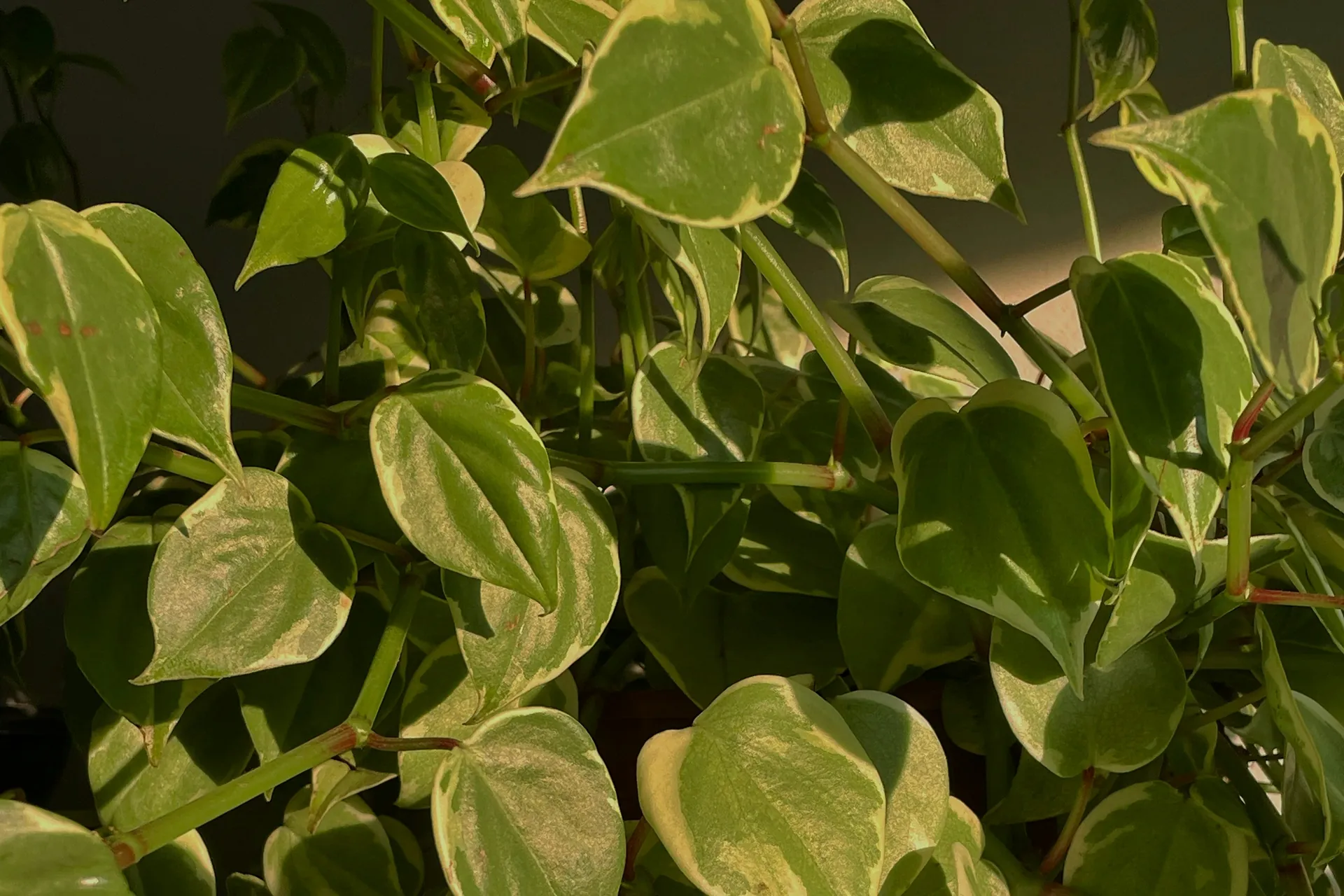
You’ve probably seen Peperomias all over Instagram and Pinterest. With their thick, glossy leaves, compact size, and whimsical patterns, they look like miniature masterpieces. But if you have a curious cat or an enthusiastic puppy who treats every leaf like a snack, buying a new plant always brings a wave of worry: Wait, is this one going to poison my pet?
Take a deep breath—we’ve all been there! If you are eyeing a gorgeous Peperomia to add to your collection, you can officially relax. Let’s break down everything you need to know about Peperomias and your furry family members.
Quick Safety Cheat Sheet
| Question | The Answer | What It Means for You |
| Are Peperomias toxic to cats? | No | Certified 100% non-toxic by the ASPCA. |
| Are Peperomias toxic to dogs? | No | Completely safe if nibbled or chewed. |
| Will my cat get sick if they eat a leaf? | Unlikely | Safe from chemical poisoning, though too much fiber might upset a sensitive tummy. |
| Are all Peperomia species safe? | Yes | Over 1,000 varieties exist, and all of them are pet-friendly. |
1. The Verdict: Peperomias Are 100% Pet-Safe
Let’s cut straight to the good news: Every single species of Peperomia is completely non-toxic to cats, dogs, and horses.
Unlike Monsteras, Pothos, or Dieffenbachias, which carry painful calcium oxalate crystals, Peperomias contain no dangerous saps or toxic compounds. If your cat decides to take a sneaky bite out of a leaf, they won’t suffer from internal poisoning. It is one of the ultimate low-stress plants for an urban jungle shared with pets!
2. Top 5 Stunning (and Safe) Peperomia Varieties to Collect
Because there are so many types, you can build an entire collection of safe, beautiful plants. Here are five of the most popular varieties that look incredible and pose zero threat to your pets:
1. Peperomia obtusifolia (Baby Rubber Plant)
Featuring thick, spoon-shaped, bright green succulent leaves, this plant looks like a miniature version of a rubber tree (which is toxic to pets—so this is a safe way to get that look!).
2. Peperomia caperata (Ripple Peperomia)
Famous for its deeply textured, deeply-veined heart-shaped leaves that come in shades of deep green, burgundy, or silver. It stays small and bushy.
3. Peperomia argyreia (Watermelon Peperomia)
Named for its striking leaves that literally look like tiny watermelons, complete with silver stripes and red stems. It is a total showstopper on a desk or shelf.
4. Peperomia obtusifolia variegata (Variegated Baby Rubber Plant)
Similar to the classic Baby Rubber Plant, but splashed with gorgeous creamy white and golden variegation along the edges of the leaves.
5. Peperomia prostrata (String of Turtles)
If you love trailing plants, this is a dream. It features tiny, plump leaves that look exactly like miniature turtle shells trailing down from a hanging basket.
3. How to Keep Your Peperomias (and Pets) Happy
Even though Peperomias are non-toxic, you still don’t want your cat using your prized Watermelon Peperomia as a scratching post or a midnight snack!
How to fix it
- Use smart placement: While they don’t need to be locked away in a hazard-free zone, placing them on higher shelves or using macramé hangers keeps the vines safe from playful paws.
- Provide a decoy: If your cat loves chewing on indoor foliage, set up a small pot of dedicated cat grass nearby. Your kitty will naturally gravitate toward the grass instead of your decorative Peperomias.
Frequently Asked Questions
What should I do if my cat ate a Peperomia leaf and threw up?
Don’t panic! Cats aren’t built to digest heavy plant fibers. If your cat munched on a leaf, vomiting is simply their body’s natural way of clearing out indigestible plant matter. Because Peperomias are non-toxic, there is no chemical poisoning to worry about. Just try to keep the plant out of their reach going forward.
Do Peperomias need a lot of light?
Not at all. Peperomias thrive in medium to bright indirect sunlight, making them fantastic apartment plants. They also store a bit of water in their thick leaves, so if you occasionally forget to water them, they will happily forgive you!