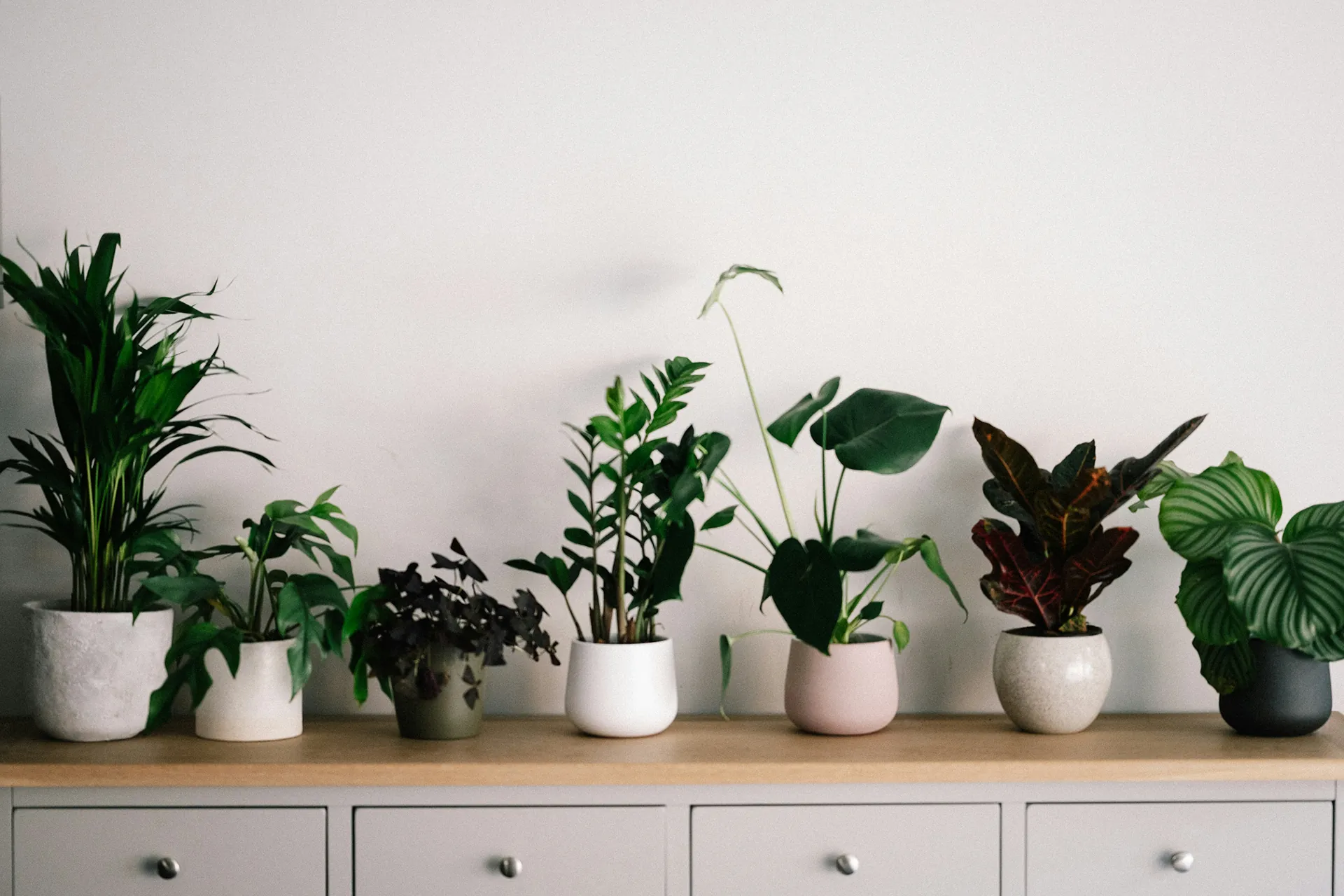
You sit down to relax with a cup of coffee, and suddenly, a tiny black bug flies straight up your nose. You swat it away, look over at your beautiful Monstera, and realize there is a whole cloud of them hovering around the soil.
Take a deep breath—we’ve all been there! As frustrating as they are, fungus gnats are a rite of passage for plant parents. They are incredibly common, and the good news is that they are entirely treatable. You don’t need to throw your plant away or resort to harsh, toxic chemicals. Let’s break down exactly why these annoying little flies moved in and how to evict them using simple DIY methods.
Quick Diagnostic Cheat Sheet
| What You Are Seeing | The Real Problem | The Quick Action |
| Tiny black flies hovering above the soil | Adult Gnats | Set up yellow sticky traps. |
| Tiny, clear worms in the soil (if you dig) | Gnat Larvae | Do a hydrogen peroxide soil drench. |
| The top of the soil is constantly wet | Overwatering | Stop watering! Let the top 2 inches dry out completely. |
| Gnats appeared right after repotting | Contaminated Soil | Treat the new soil with Mosquito Bits (BTI). |
1. The Root Cause: Overwatering and Soggy Soil
Fungus gnats are drawn to one thing: moisture. They lay their eggs in the top two inches of damp potting soil, where the hatching larvae feed on fungi and decaying organic matter. If you are constantly watering your plants from the top and keeping the soil consistently wet, you are essentially running a luxury resort for gnats.
How to fix it
Starve them of moisture. The easiest and most effective way to break the gnat life cycle is to simply stop overwatering. Let the top two to three inches of your soil dry out completely before you water again. To be extra safe, switch to bottom-watering for a few weeks (placing the pot in a bowl of water so it drinks from the bottom up). This keeps the top layer of soil bone-dry, making it impossible for adult gnats to lay their eggs.
2. The Active Infestation: Larvae in the Soil
If you already have a cloud of flies, drying out the soil won’t be enough to kill the eggs and larvae that are already developing beneath the surface. You need to sanitize the soil, but gently enough that it doesn’t harm your plant’s sensitive roots.
How to fix it (The Hydrogen Peroxide Drench)
This is a classic, cheap DIY remedy. Mix 1 part of 3% hydrogen peroxide (the regular kind you can buy at any pharmacy) with 4 parts of water. The next time your plant needs to be watered, pour this mixture evenly over the top of the soil. It will fizz and bubble—don’t panic! That is just the peroxide killing the larvae and eggs on contact. As a bonus, it breaks down into oxygen and water, which actually gives your plant’s roots a healthy boost.
3. The Annoying Flyers: Catching the Adult Gnats
While the hydrogen peroxide takes care of the babies, you still have to deal with the flying adults. Since adult gnats only live for about a week, your goal is simply to catch them before they can lay more eggs.
How to fix it
Fungus gnats are incredibly attracted to the color yellow. Buy a pack of cheap yellow sticky traps online or at your local garden center and stick them directly into the soil of the infested plant. Within 24 hours, you will see the trap covered in adults. Keep replacing the traps until they come up completely clean.
4. The Heavy Duty Option: Mosquito Bits (BTI)
If you have a massive indoor jungle and the hydrogen peroxide isn’t cutting it, it’s time to bring in nature’s pest control. Mosquito Bits are small pellets coated with Bacillus thuringiensis israelensis (BTI), a naturally occurring bacteria that is completely harmless to humans, pets, and plants, but highly toxic to gnat and mosquito larvae.
How to fix it
Instead of sprinkling the pellets directly on the soil (which can sometimes grow harmless white mold), make a “BTI tea.” Soak 4 tablespoons of Mosquito Bits in a gallon of room-temperature water for about 30 minutes. Strain out the bits, and use that infused water to water your plants. The BTI will wipe out the larvae population almost immediately.
Frequently Asked Questions
Will fungus gnats kill my houseplants?
No, adult fungus gnats are completely harmless to your plants (and they don’t bite humans or pets, either!). However, if the larvae population gets wildly out of control in the dirt, they might start nibbling on the tender root hairs of very young plants or seedlings, temporarily stunting their growth.
Does putting cinnamon on the soil kill gnats?
Cinnamon is a natural fungicide. Since gnat larvae feed on the fungus in your soil, sprinkling a generous layer of ground cinnamon across the top layer of dirt destroys their food source. It won’t kill the gnats directly on contact, but it’s a fantastic preventative measure to use alongside your sticky traps!