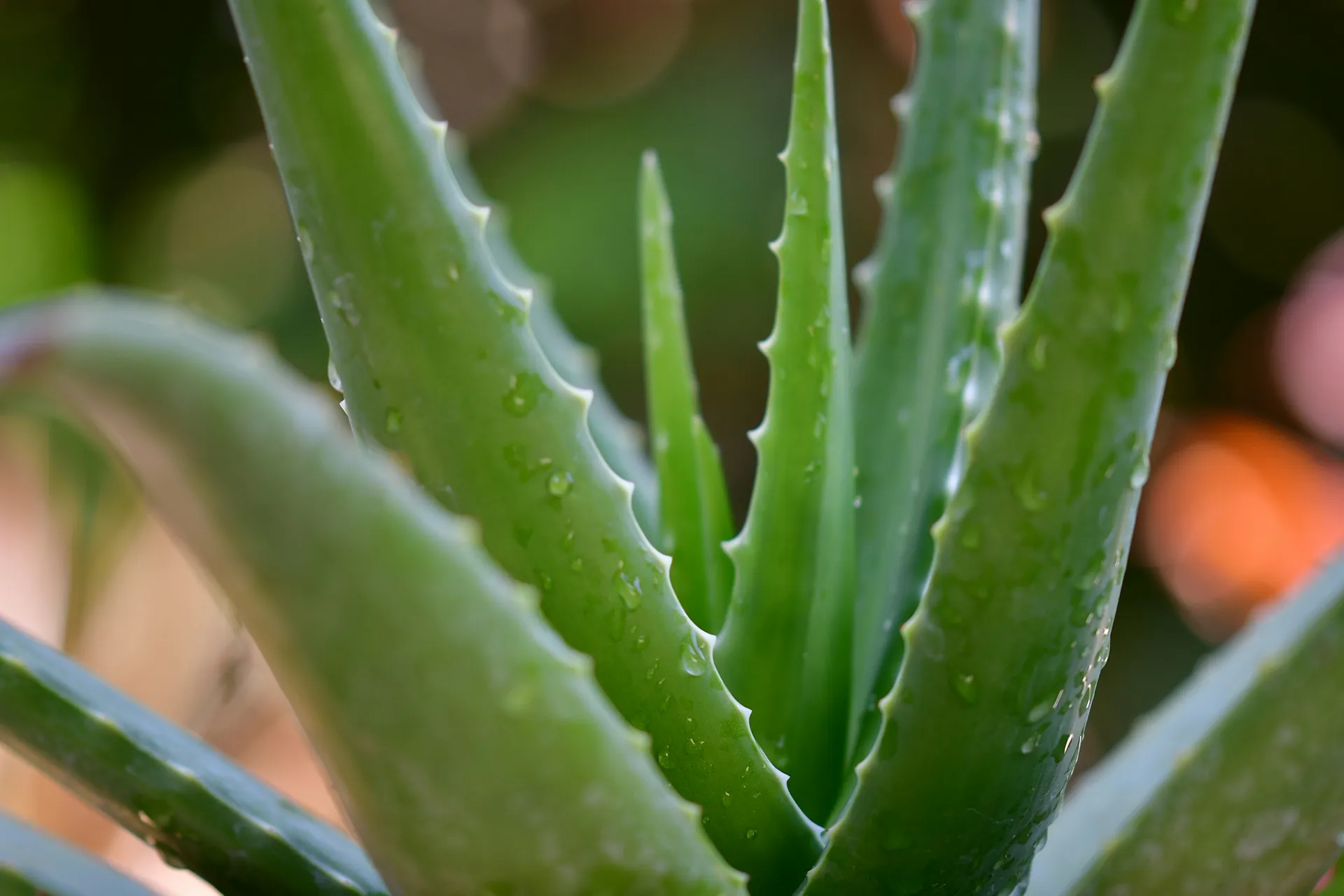
You walk into the living room and find your furry best friend happily sniffing around your favorite Aloe Vera plant, surrounded by a few jagged, chewed-up leaf chunks. Since humans use aloe gel for everything from sunburns to skin healing, you might naturally assume it’s entirely harmless. But then a wave of worry hits: Wait, is Aloe Vera safe for dogs?
Take a deep breath—we’ve all been there! While aloe is a miracle worker in your bathroom cabinet, it is not safe for your dog to eat. Let’s look at why this happens, what symptoms to watch out for, and exactly what you need to do to keep your pup safe.
Quick Diagnostic Cheat Sheet
| What Happened / Symptoms | Severity Level | The Quick Action |
| Dog licked the outside gel or took one tiny nibble | Low Risk | Monitor closely; offer fresh water. Usually resolves on its own. |
| Dog chewed and swallowed a large chunk of thick leaf | Moderate Risk | Watch for vomiting or diarrhea. Call your vet if symptoms persist. |
| Severe vomiting, lethargy, tremors, or bright pink/red urine | High / Emergency | Contact your veterinarian or an animal poison control center immediately. |
1. Why Is Aloe Vera Toxic to Dogs?
It seems strange that a natural plant used for healing can cause problems, but the danger lies inside the thick, fleshy leaves. Aloe Vera plants contain compounds called saponins and anthraquinones (specifically aloin, found in the yellowish sap just beneath the green skin).
When a dog eats the leaf, these natural chemical defenses act as a strong laxative and irritant in their digestive tract. While it’s rarely fatal, ingestion will definitely cause an uncomfortable reaction for your dog.
2. What Symptoms Should You Look For?
If your dog managed to ingest a decent amount of an Aloe Vera leaf, they will usually start showing symptoms within a few hours.
Common Signs of Ingestion
- Vomiting and Diarrhea: The body’s natural reaction to flush out the irritants.
- Lethargy: Your dog might seem unusually tired or sluggish.
- Loss of Appetite: They probably won’t be interested in their dinner for a little while.
- Tremors or Changes in Urine Color: In rare, severe cases of heavy ingestion, you might notice muscle tremors or a reddish tint in their urine.
3. What to Do If Your Dog Ate Aloe Vera (Step-by-Step)
Step 1: Clean Up and Assess
Take a look at the plant to figure out roughly how much was eaten. Did they just shred a leaf, or did they swallow a huge chunk? Also, pick up any loose pieces off the floor so they can’t go back for seconds.
Step 2: Keep Them Hydrated
Because vomiting and diarrhea can lead to fluid loss, encourage your dog to drink small amounts of fresh water. Do not try to induce vomiting yourself unless specifically instructed to do so by a licensed veterinarian.
Step 3: Call Your Vet If Needed
If your dog only took a tiny lick, they will likely just have a mild tummy ache that passes quickly. However, if your dog is small, a puppy, or has consumed a large amount of the plant and is showing persistent vomiting, call your vet right away for professional guidance.
Step 4: Relocate the Plant
Prevention is the best medicine! Move your Aloe Vera plant to a high shelf, a hanging basket, or a room that is strictly off-limits to your pets.
Frequently Asked Questions
Can I use human aloe vera gel on my dog’s skin if they get a scratch?
No, it is best to avoid it. Even topical application can be risky if your dog licks the gel off their skin, which they almost certainly will do. Always consult your veterinarian for pet-safe ointments or creams.
Are there other common houseplants that are toxic to dogs?
Yes! While Aloe Vera is mildly toxic, plants like Monsteras, Peace Lilies, Pothos, and Sago Palms are far more dangerous to dogs. If you have an enthusiastic chewer, it’s always safest to stick exclusively to certified pet-safe options like Spider Plants or Calatheas.