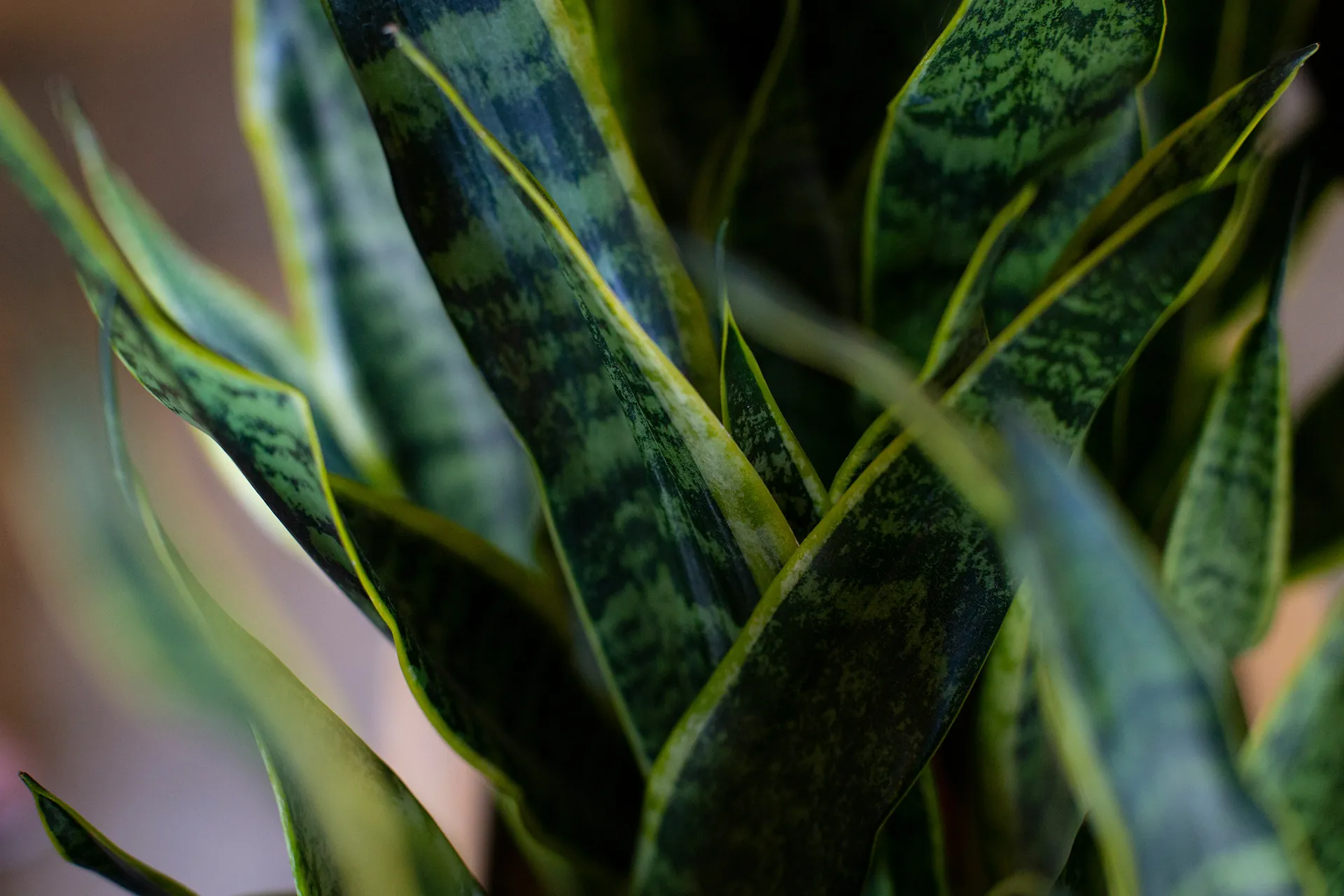
Snake Plants (Sansevieria) are famous for being almost indestructible. You can practically neglect them for months, and they will still look fabulous. But what happens when your favorite plant gets too tall, or you want to multiply your indoor jungle without spending a single dollar?
If you’ve ever looked at your Snake Plant and wondered how to turn one plant into five, you are in the right place! While you can propagate them in soil, watching roots magically sprout in a glass of water is deeply satisfying. Don’t panic if you’ve never done it before—it is surprisingly easy. Let’s walk through the step-by-step process.
Quick Diagnostic Cheat Sheet
| What You Need to Check | The Right Way | What to Avoid |
| The Cutting Shape | Cut the bottom of the leaf into an inverted “V” shape | Cutting straight across flat (slows down root growth) |
| Water Level | Submerge only the bottom 1 to 2 inches of the leaf | Submerging the entire leaf (invites rot) |
| Light Exposure | Place in bright, indirect sunlight | Direct, scorching afternoon sun (cooks the cutting) |
| Water Changes | Refresh the water every 1 to 2 weeks | Leaving the water stagnant until it turns murky |
Step 1: Selecting and Cutting the Leaf
Before you grab your kitchen scissors, you need to pick the right victim—er, volunteer! Choose a healthy, mature, deep-green leaf from your Snake Plant. Avoid any leaves that are completely yellow, mushy, or damaged at the base.
How to do it
Take a pair of clean, sharp kitchen shears or a knife and wipe them down with rubbing alcohol to sterilize them. Snip the chosen leaf off right down at the soil line (as close to the base of the plant as possible).
Pro-tip: Take that long leaf and cut it horizontally into smaller sections (each about 4 to 6 inches long), making sure you remember which end is “up.” Roots will only grow from the bottom end that was closest to the soil! Finally, cut the bottom of each section into a small inverted “V” shape. This exposes more surface area for roots to emerge and prevents the leaf base from resting flat against the bottom of the glass.
Step 2: Let the Cuttings “Callous Over”
This is the most skipped step by beginners, and it’s usually why cuttings fail. If you stick a fresh, wet cut straight into water, it will immediately invite bacteria and start to rot.
How to do it
Lay your freshly cut leaf sections flat on a clean paper towel in a dry, shaded spot. Leave them alone for 24 to 48 hours. You will notice the cut edge turns dry, pale, and corky—this is called a callous, and it acts like a protective shield against water mold.
Step 3: Setting Up Your Water Propagation Station
Now comes the fun part! Find a clean glass jar, vase, or bottle. Clear glass is great because you get to watch the roots grow day by day.
How to do it
Fill your glass with room-temperature filtered or tap water (letting tap water sit out overnight helps chlorine evaporate). Place your calloused leaf cuttings inside the jar, V-shape pointing down. Make sure only the bottom 1 to 2 inches of the leaf are submerged in water. If the water level is too high, the whole leaf will rot before roots can form.
Step 4: Patience and Maintenance
Place your glass jar in a bright spot that receives plenty of indirect sunlight. Direct, blazing sun will heat up the water and cook your cutting, so keep it out of harsh window sills.
How to do it
Change the water every 1 to 2 weeks to keep it fresh and oxygenated. If you notice the water turning cloudy or green with algae, give the jar a quick scrub and refill it. Now, you wait! Snake plants are slow growers—it usually takes 4 to 8 weeks before you will spot tiny white roots pushing out from that V-shaped cut.
Frequently Asked Questions
Can I plant my water-propagated Snake Plant directly in soil?
Yes! Once your water roots are about 2 inches long (usually after 2 to 3 months), carefully transfer the cutting into a small pot filled with a well-draining cactus and succulent soil mix. Keep the soil slightly damp for the first week to help the water-grown roots transition to dirt.
If I propagate a variegated Snake Plant (like a Sansevieria Trifasciata Laurentii with yellow edges), will the baby plants have yellow edges too?
Surprisingly, no! If you propagate a variegated Snake Plant using leaf cuttings in water, the resulting pups will revert to solid green. If you want to keep the yellow variegation, you have to propagate by dividing the actual root clump (rhizome) instead of using individual leaves!