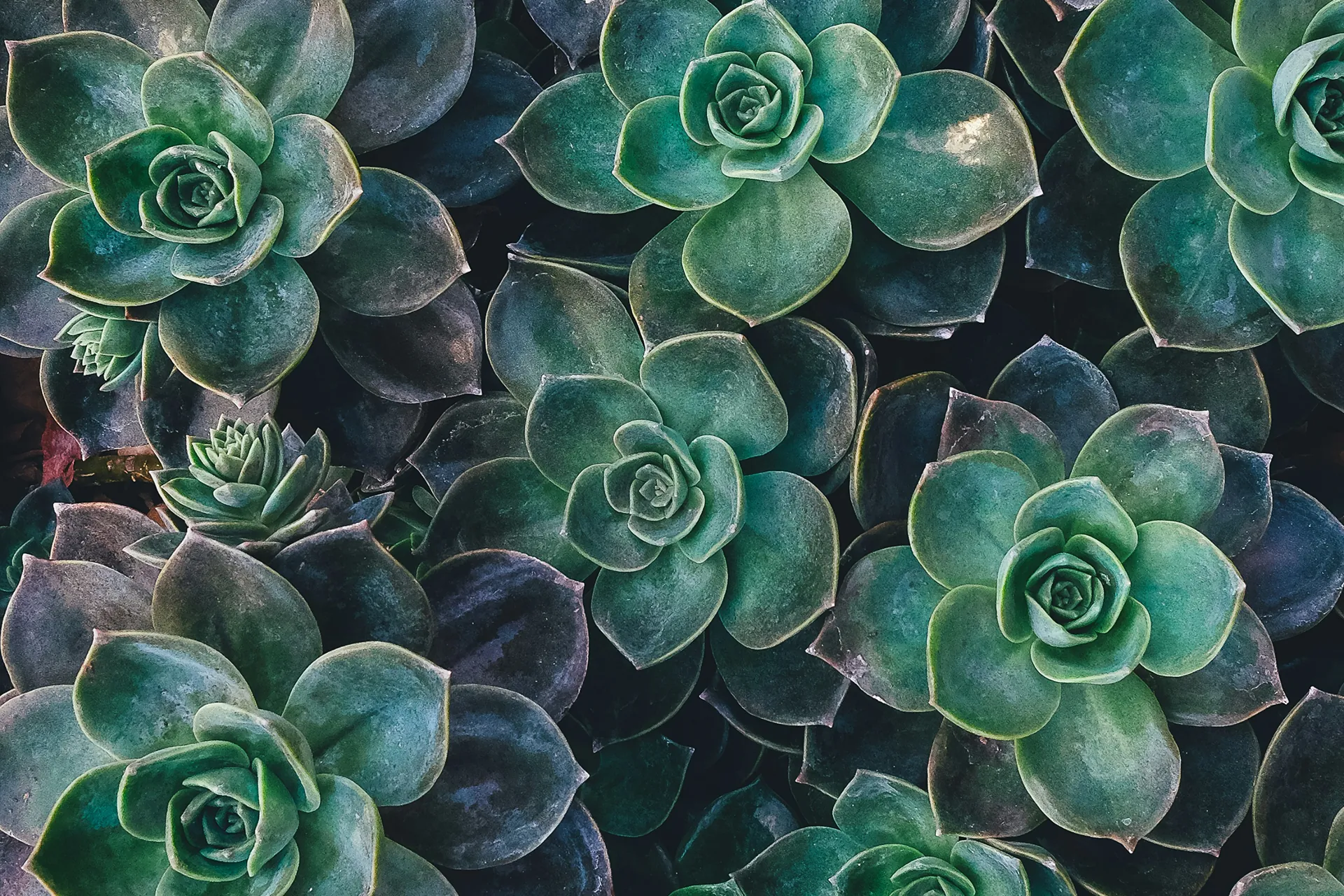
You wanted to be the best plant parent possible, so you gave your cute little succulent a nice big drink of water. But a few days later, you noticed the leaves are looking yellow, translucent, and incredibly mushy. If you barely touch the plant and the leaves fall off in your hands, take a deep breath. We’ve all been there!
Overwatering is the number one way we accidentally kill our indoor succulents. Because these desert plants store water in their thick leaves, giving them too much water causes their cells to literally burst. But don’t panic! If you catch it early, you can absolutely bring your squishy friend back from the brink. Here is exactly how to stop the rot and save your plant.
Quick Diagnostic Cheat Sheet
| What You Are Seeing | Most Likely Cause | The Quick Fix |
| Yellow, squishy, translucent leaves falling off easily | Overwatering (Early Stages) | Unpot the plant immediately and let the roots air dry for 3 days. |
| The stem base is black, mushy, and smells like a swamp | Severe Root Rot | “Behead” the plant! Cut the healthy top off and discard the rotting bottom. |
| Leaves are wrinkled, dry, and crispy on the edges | Underwatering (Thirsty) | Give it a deep, thorough watering. (Do not confuse this with overwatering!) |
1. The Immediate Rescue: Get It Out of the Wet Soil
Succulents sitting in wet, muddy soil will deteriorate rapidly. If your plant is starting to look soggy, the very first thing you need to do is get those roots away from the moisture.
How to fix it
Gently pull your succulent out of its pot. Carefully massage the root ball to remove as much of the wet, heavy dirt as possible. Do not wash the roots with water! Once the roots are relatively clean, lay the bare plant on a paper towel in a dry, bright spot (out of direct sunlight). Leave it there completely unpotted for 2 to 3 days. This gives the roots a chance to dry out and breathe.
2. Treating Root Rot
While your plant is unpotted, you need to inspect the damage. Healthy succulent roots are usually firm and light-colored (white or light tan). If the roots have sat in water for too long, they will turn into dark brown or black mush.
How to fix it
Grab a pair of clean, sharp scissors. Snip away any roots that are black, slimy, or stringy. You only want to leave the firm, healthy roots attached. Once the rot is removed and the plant has finished its 3-day drying period, repot it into a completely dry, chunky succulent soil mix (a 50/50 mix of cactus soil and perlite is perfect). Do not water it for at least a week after repotting!
3. The Last Resort: Beheading Your Succulent
Sometimes, you don’t catch the overwatering in time. If the black, mushy rot has spread up from the roots and into the actual stem of the succulent, the bottom half of the plant is officially dead. But if the top rosette (the crown of leaves) is still green and firm, you can save it!
How to fix it
Take a sterilized knife or sharp scissors and cut the stem about an inch above the black, rotting section. Throw the mushy bottom half and the old soil in the trash. Take the healthy top cutting and lay it on a paper towel for 3 to 5 days until the cut end forms a hard, dry “callous.” Once calloused, simply stick the cutting into a pot of dry succulent soil. In a few weeks, it will grow a brand-new, healthy root system!
Frequently Asked Questions
Can an overwatered succulent heal itself if I just stop watering it?
Usually, no. If the soil is already soaking wet, it will take too long to dry out indoors, and the rot will keep spreading. Taking the plant out of the wet pot is the safest and fastest way to save it.
Should I pull off the mushy, yellow leaves?
Yes! Gently pluck off any leaves that are translucent, squishy, or black. They are rotting and will never turn green again. Removing them helps prevent mold from spreading to the rest of the healthy stem.