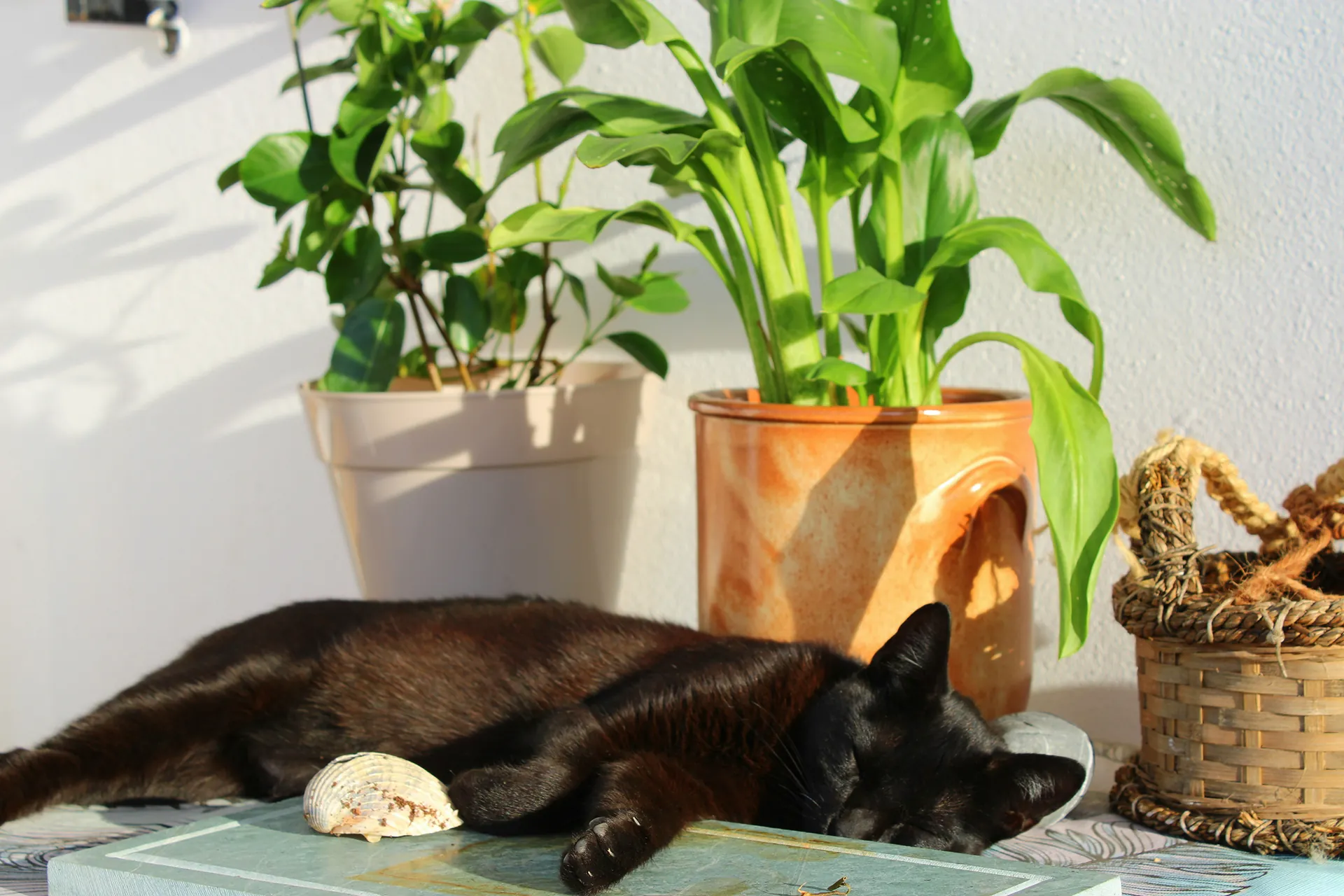
As much as we love our plant babies, our real fur babies always come first. Creating an indoor jungle is incredibly rewarding, but it can quickly turn into a nightmare if a curious kitten or a playful puppy decides to take a bite out of the wrong leaf.
Many of the most popular, trendy houseplants you see on Instagram are actually highly toxic to pets. But don’t worry—you don’t have to choose between having a beautiful, green home and keeping your pets safe. You just need to know what to avoid and what to buy instead.
Common Houseplants You Must Keep Away from Pets
If you own any of these plants, make sure they are completely out of reach (hanging baskets or tall, inaccessible shelves) or consider gifting them to a pet-free friend.
- Sago Palm: Highly dangerous. All parts are toxic, but the seeds are particularly deadly and can cause severe liver failure.
- Lilies (Peace Lily, Easter Lily): Extremely toxic to cats. Even a nibble on a leaf or licking pollen off their fur can cause acute kidney failure.
- Pothos (Devil’s Ivy): Contains calcium oxalate crystals. Chewing it causes intense burning of the mouth, drooling, and vomiting.
- Monstera Deliciosa: Like Pothos, it contains insoluble calcium oxalates that irritate the mouth and digestive tract.
- Snake Plant (Sansevieria): Though incredibly tough to kill, they can cause nausea, vomiting, and diarrhea if ingested by dogs or cats.
- Dieffenbachia (Dumb Cane): Can cause severe swelling of the airways, making it difficult for your pet to breathe.
- ZZ Plant: Mildly to moderately toxic, causing stomach upset and mouth irritation.
- Aloe Vera: Great for human sunburns, but toxic to pets, causing lethargy and digestive issues.
- Jade Plant: Can cause vomiting, depression, and a loss of coordination in dogs and cats.
- English Ivy: The foliage can cause abdominal pain, hypersalivation, and vomiting.
5 Gorgeous, 100% Pet-Safe Alternatives
Want that lush, tropical vibe without the panic? Here are five stunning plants that are entirely safe for your curious companions.
| The Pet-Safe Plant | Why You’ll Love It | Care Difficulty |
| Spider Plant (Chlorophytum comosum) | Produces adorable little “babies” you can propagate. Cats love to play with the bouncy leaves! | Very Easy |
| Boston Fern (Nephrolepis exaltata) | Adds massive volume and a beautiful lush, wild look to hanging baskets. | Medium |
| Parlor Palm (Chamaedorea elegans) | A fantastic, non-toxic alternative to the Sago Palm that brings a tropical resort feel to your living room. | Easy |
| Calathea (Rattlesnake Plant) | Features incredible, striking patterns on its leaves that fold up at night like hands in prayer. | Medium |
| Peperomia (Watermelon Peperomia) | Compact, cute, and perfect for desks or small shelves. | Easy |
Frequently Asked Questions
What should I do if my pet eats a toxic plant?
Act immediately. Remove any remaining plant material from their mouth. Do not induce vomiting unless instructed by a professional. Call your local emergency vet or a Pet Poison Helpline right away, and tell them exactly which plant was ingested.
Are dried leaves still toxic?
Yes, in many cases, the toxic compounds (like calcium oxalate crystals) remain active even after the leaf has dried up and fallen off. Always sweep up fallen leaves promptly if you have pets wandering around!