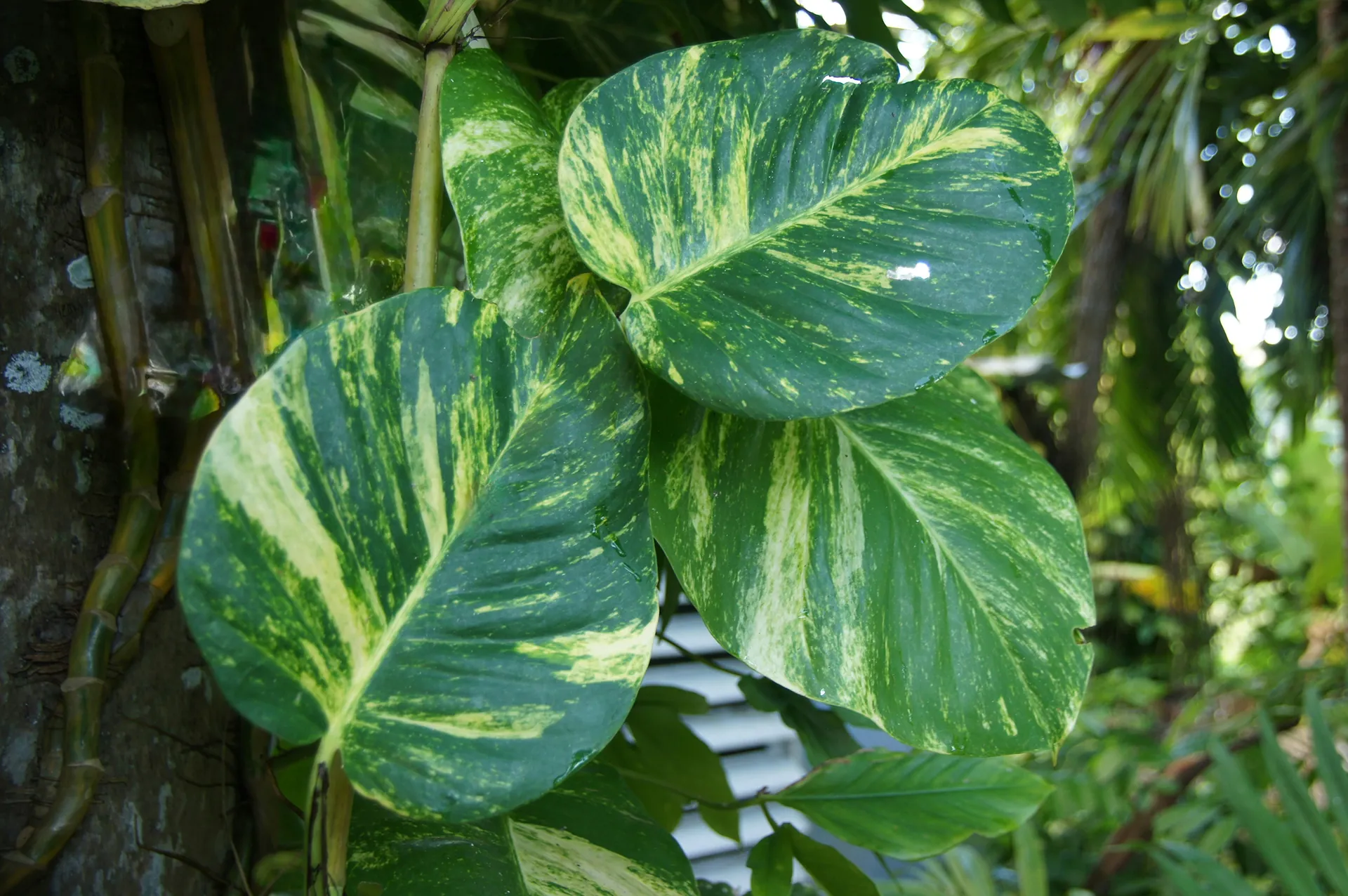
You’re walking through your living room when you spot your gorgeous Pothos trailing down from a shelf—with a suspiciously missing chunk out of one of its heart-shaped leaves. Then, you look down and see your cat licking its chops. Instant panic sets in. Wait! Aren’t Pothos plants toxic to cats?
Take a deep breath—we’ve all been there! Finding out your furry friend just tasted a toxic plant is every pet parent’s worst nightmare. But don’t let your anxiety spiral. Let’s look at exactly what happens when a cat nibbles a Pothos, how bad it really is, and what emergency steps you need to take right now.
Quick Diagnostic Cheat Sheet
| What Happened / Symptoms | Severity Level | The Quick Action |
| Cat bit a leaf, dropped it immediately, drooling slightly | Low Risk (Mild Irritation) | Wipe mouth with a damp cloth, offer fresh water or milk. |
| Cat chewed and swallowed a piece of a leaf, mild vomiting | Moderate Risk | Monitor closely, keep water available, watch for ongoing tummy upset. |
| Severe swelling in the mouth, difficulty breathing, continuous vomiting | High / Emergency | Call your emergency vet or animal poison control immediately. |
1. Why Are Pothos Plants Toxic to Cats?
Pothos (Epipremnum aureum) are extremely popular because they are bulletproof houseplants, but they are not pet-safe.
Pothos leaves contain microscopic, needle-like crystals of calcium oxalate. When a cat chomps into a leaf, these crystals are released like tiny glass shards into their mouth, tongue, and throat. It causes immediate, intense burning, irritation, and swelling. Because it hurts so much right away, most cats quickly learn their lesson and rarely swallow a large amount of the plant.
2. What Symptoms Should You Look For?
If your cat ingested a piece of Pothos, you will usually notice a reaction almost instantly or within a few minutes.
Common Signs of Pothos Ingestion
- Intense Drooling: Excessive salivation as their body tries to wash out the irritating crystals.
- Pawing at the Mouth: Trying to scratch away the burning sensation on their lips or tongue.
- Vomiting or Foaming: A natural reaction to oral irritation and stomach upset.
- Loss of Appetite: Refusing food or treats because their mouth hurts.
3. What to Do Right Now (Step-by-Step Emergency Action)
Step 1: Inspect and Clear the Mouth
Don’t panic, but gently check your cat’s mouth. If there are any pieces of the leaf still stuck inside, gently remove them with your fingers. Do not force your cat to swallow water if they are choking or struggling.
Step 2: Flush Out the Irritation
Offer your cat a saucer of fresh, cool water to rinse their mouth out. Alternatively, some vets suggest offering a small amount of milk, yogurt, or tuna juice (if they tolerate dairy/fish) because the calcium in dairy can actually bind to the oxalate crystals and neutralize the burning sensation.
Step 3: Call Your Vet If Symptoms Persist
If your cat only took a tiny nibble, drooled for a few minutes, and is now acting completely normal, they will likely recover on their own within an hour. However, if your cat is vomiting continuously, cannot stop drooling, or seems lethargic, call your veterinarian immediately.
Step 4: Relocate Your Pothos
Prevention is everything! Since cats love playing with trailing vines, move your Pothos to a high wall shelf, a hanging basket well away from furniture climbing paths, or a dedicated plant room where your pets are never allowed unsupervised.
Frequently Asked Questions
Is a Pothos bite fatal to cats?
No. While Pothos toxicity is very uncomfortable and painful for a cat due to the oral irritation, it is rarely fatal. Cats almost never swallow enough plant material to cause systemic organ failure because the burning pain stops them from eating more.
Should I induce vomiting if my cat ate a Pothos leaf?
Never try to induce vomiting at home (using hydrogen peroxide or other methods) unless a licensed veterinarian explicitly tells you to do so. Doing it incorrectly can cause severe injury to your cat’s esophagus.