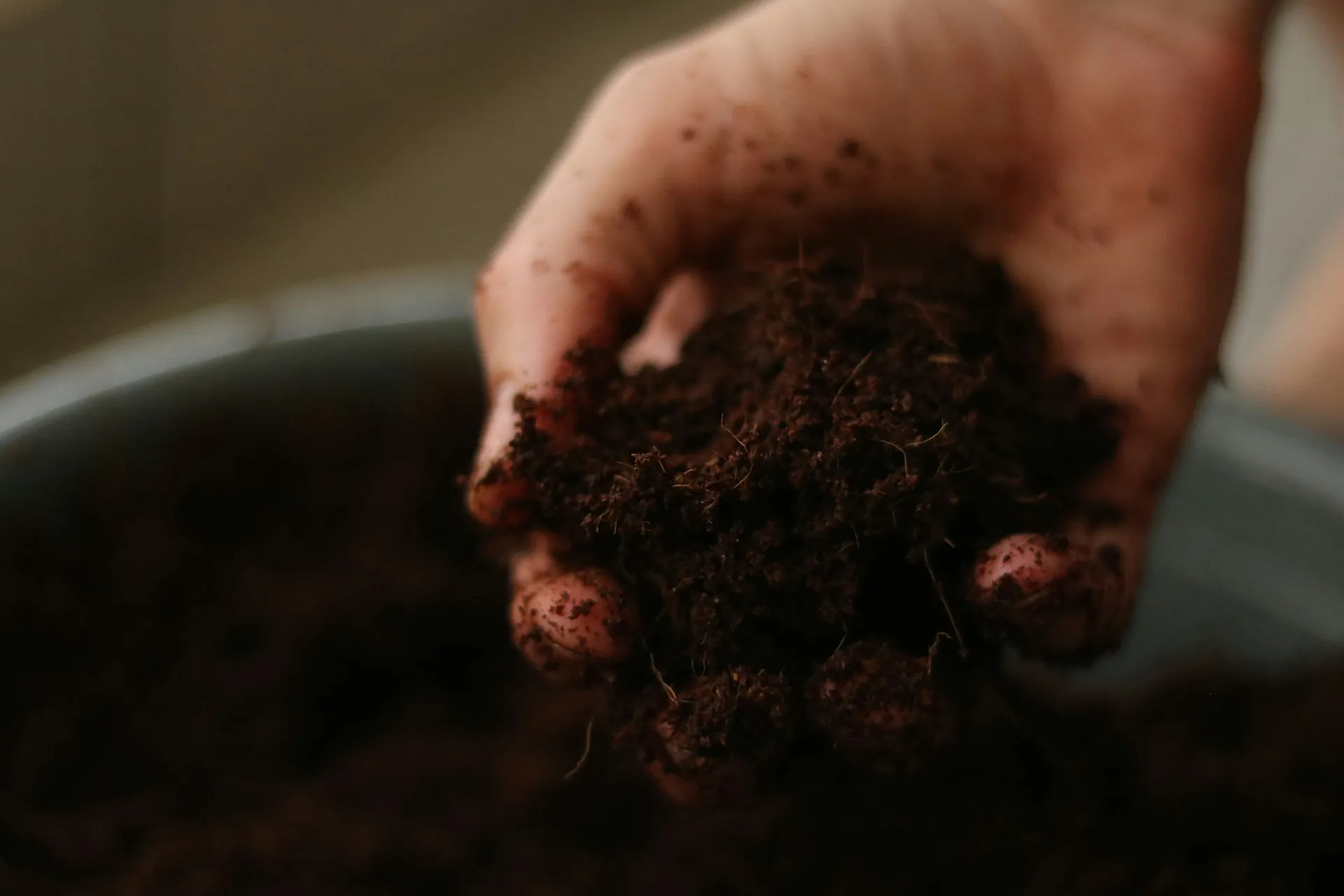
You walk over to water your favorite indoor plant, and right there on top of the soil, you spot a layer of fuzzy, white, spooky-looking growth. It looks like a miniature cobweb or a patch of cotton candy right out of nowhere. If your heart skipped a beat thinking your plant is doomed, take a deep breath—we’ve all been there!
Seeing white mold on your houseplant’s soil can definitely cause a panic, but most of the time, it’s completely harmless to your plant. It’s simply reacting to moisture, stagnant air, and organic matter in the pot. Let’s break down what’s actually happening in your pot and how to easily clean it up.
Quick Diagnostic Cheat Sheet
| What You Are Seeing | Most Likely Cause | The Quick Fix |
| Fluffy white or yellowish fuzzy patches strictly on the soil surface | Saprophytic Soil Mold (Harmless fungus eating decaying matter) | Scrape it off, sprinkle cinnamon, and increase airflow. |
| Hard, crusty white layer that forms a solid ring around the rim or soil | Mineral Salt Buildup (From hard tap water or fertilizer) | Flush the soil thoroughly with filtered water or scrape the crust away. |
| White fuzz accompanied by a foul swamp smell and rotting stems | Dangerous Fungal Rot | Unpot immediately, trim rotting roots, and change the soil. |
1. Is White Mold Actually Harmful to Your Plant?
The short answer is: No, standard soil mold is generally harmless to your established houseplants.
The white fuzz you see is a saprophytic fungus. It feeds on dead organic matter in your potting mix, like bits of bark, compost, or peat moss. It is completely natural and usually thrives when indoor air is still and the top layer of soil stays damp for too long. While it won’t directly attack a healthy plant, an overgrowth of mold does mean your soil is retaining too much moisture, which can eventually lead to root issues if you aren’t careful.
2. How to Remove and Prevent White Mold (Step-by-Step)
Even though it’s harmless, nobody wants a fuzzy science experiment growing in their living room. Here is how to clean it up in under five minutes:
Step 1: Scrape and Toss
Grab an old spoon or a small trowel and carefully scoop away the top layer of soil containing the visible white mold. Toss it straight into the trash bin (don’t put it in your indoor compost bin) so the spores don’t spread to other pots.
Step 2: The Magic Kitchen Remedy (Cinnamon)
Cinnamon is a plant parent’s best-kept secret. It is a powerful, 100% natural antifungal agent. Once you’ve scraped off the mold, take a container of ground cinnamon and dust a generous layer evenly across the exposed soil surface. It will kill off remaining fungal spores and smell amazing, all without hurting your plant.
Step 3: Fix the Root Environmental Cause
Mold doesn’t grow if conditions aren’t right. To keep it from coming back, make two quick adjustments:
- Let it dry out: Allow the top two inches of your soil to dry completely between waterings.
- Add airflow: Mold loves stuffy corners. Place your plant in a spot with better air circulation, or run a small desk fan nearby for a few hours a day.
Frequently Asked Questions
Can the white mold on my soil make me or my pets sick?
For most people, standard houseplant mold is completely safe. However, if you have severe asthma, allergies, or a compromised immune system, breathing in a high concentration of fungal spores can trigger symptoms. If you have curious pets that like to dig in the dirt, scraping the mold off and adding a layer of cinnamon or decorative pebbles will keep them safe.
Is it mold or is it fertilizer salt buildup?
It’s easy to confuse the two! Mold is usually fluffy, soft, and feels cottony to the touch. Mineral salt buildup (caused by hard tap water or chemical fertilizers) looks dry, chalky, crispy, and often forms a hard crust directly around the edge of the pot or the base of the stems. If it’s hard and crusty, you just need to flush your soil with filtered water instead of treating it for fungus!