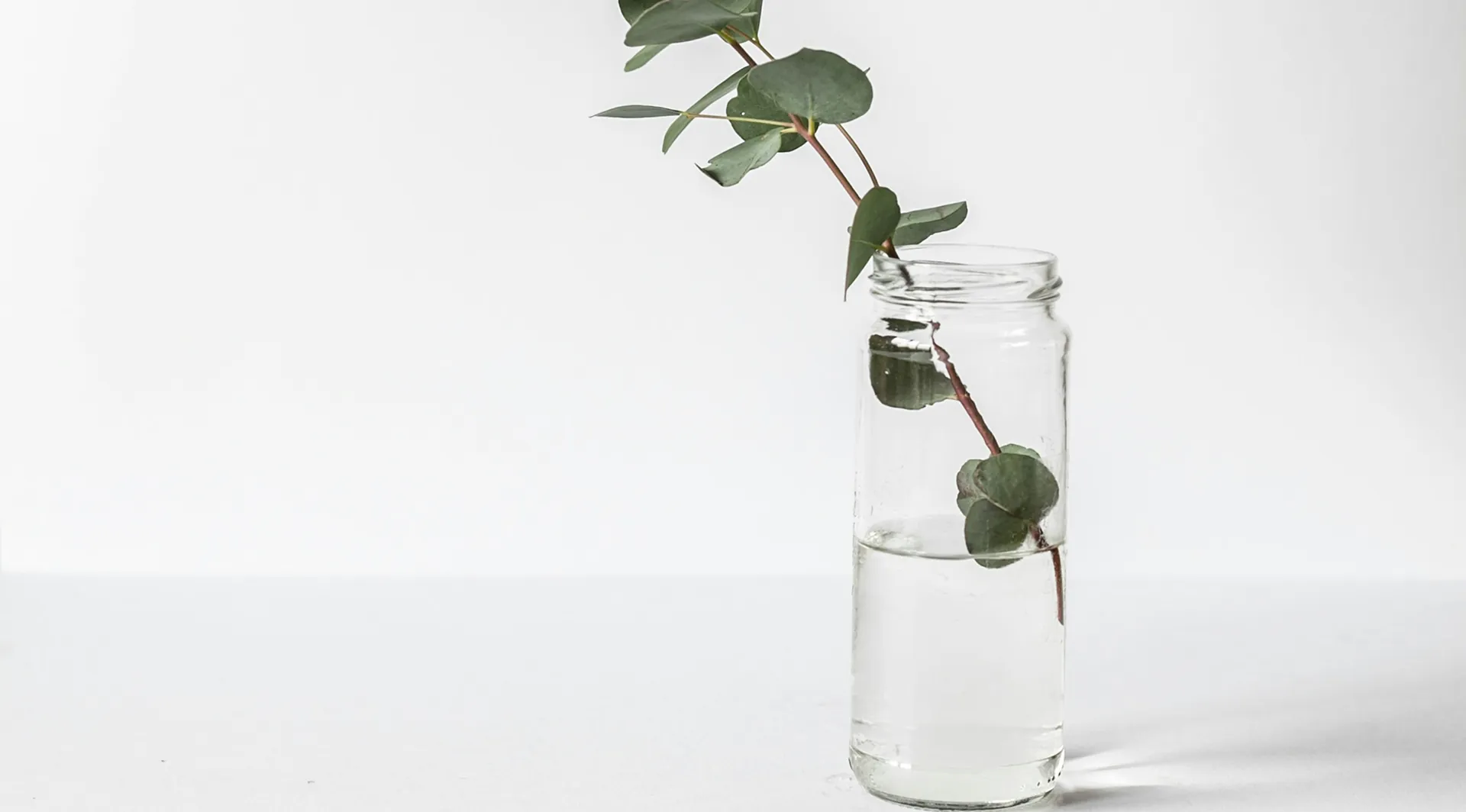
You snipped a gorgeous piece of your favorite houseplant, dropped it into a cute glass jar of water, and placed it on your windowsill. Days turned into weeks, and now you are staring at the jar wondering: Wait, how long are these cuttings actually supposed to stay in water? Are they going to live here forever, or is there an expiration date?
Take a deep breath—we’ve all been there! Watching and waiting for roots to appear can feel like an eternity, especially when nothing seems to be happening. The truth is, plant cuttings can survive anywhere from a few weeks to several months in water, but it completely depends on the species, water quality, and environmental care. Let’s break down what is normal, what is a red flag, and how to keep your cuttings thriving.
Quick Diagnostic Cheat Sheet
| Time Frame in Water | What’s Normal | What Action to Take |
| Weeks 1 to 2 | No roots yet, but leaves look firm and green. | Change the water weekly; let it do its thing. |
| Weeks 3 to 6 | Tiny white roots or bumps (nodes) starting to emerge. | Keep water topped off and maintain bright, indirect light. |
| Months 3 to 4+ | Stagnant growth, cloudy water, or a slimy brown stem. | Emergency! Cut away the rot, change the jar, or move to soil. |
1. The Timeline: How Long Do Cuttings Actually Survive?
There is no single magic number because every plant has its own personality. Fast propagators like Pothos, Tradescantia, and Monsteras will usually push out robust roots in just 2 to 4 weeks. Slower, woodier varieties like Ficus or Snake Plants can take 2 to 3 months just to show their first baby root tips.
As long as the water is fresh and the stem remains firm and green, a cutting can technically survive in water for months. However, water is a poor long-term substitute for real soil. Water-grown roots (hydrophobic roots) lack the structural nutrients found in dirt, so if a cutting sits in plain water for 6 months or more without being potted, it will eventually starve, stall out, or become too weak to transition later.
2. Red Flags: When Your Cutting Is Running Out of Time
How do you know if your water propagation project is succeeding or quietly dying? Your plant will tell you.
How to spot the danger signs
- The stem turns dark brown or black: This is classic stem rot. If the bottom of the stem feels squishy or slimy to the touch, the clock is ticking.
- The water smells like a swamp: Stagnant water breeds bacteria that suffocates the cutting.
- The leaves turn yellow and drop off: While losing one lower leaf is normal as the plant redirects energy, dropping all its leaves means the cutting is failing.
3. How to Extend the Life of Your Cuttings (And Speed Up Roots)
If your cuttings are taking forever to root and you want to give them a fighting chance, make these simple adjustments immediately:
Step 1: Change the Water Weekly
Stagnant water loses oxygen and invites bacteria. Empty the jar every 5 to 7 days, scrub the glass with soap, and refill it with fresh room-temperature filtered water.
Step 2: Optimize the Light
Cuttings need energy from light to drive root cell division, but direct, scorching sunlight will bake the water and cook your fragile stems. Place your propagation station in a bright spot with plenty of indirect light.
Step 3: Trim the Rot Early
If you notice a tiny bit of brown slime at the bottom of the stem, don’t throw the whole cutting away! Take it out of the water, use sterilized shears to slice off the rotting section up to healthy green tissue, let it dry for an hour, and start fresh in a clean jar.
Frequently Asked Questions
Can plants live forever in just water without soil?
Some hardy water-loving plants (like Pothos or Lucky Bamboo) can live for years in a vase of water if you periodically add liquid hydroponic nutrients. However, most standard houseplants will eventually stop growing, turn pale, and decline because water lacks the dense minerals and structural support found in potting soil.
What should I do if my cutting grew roots, but I forgot to plant it in soil for months?
Don’t panic, but transition it carefully! Roots grown in water are delicate and brittle. When you finally plant it into soil, keep the soil unusually wet and soggy for the first 7 to 10 days. This helps the water-adapted roots slowly adjust to the heavy texture of dirt without going into shock.