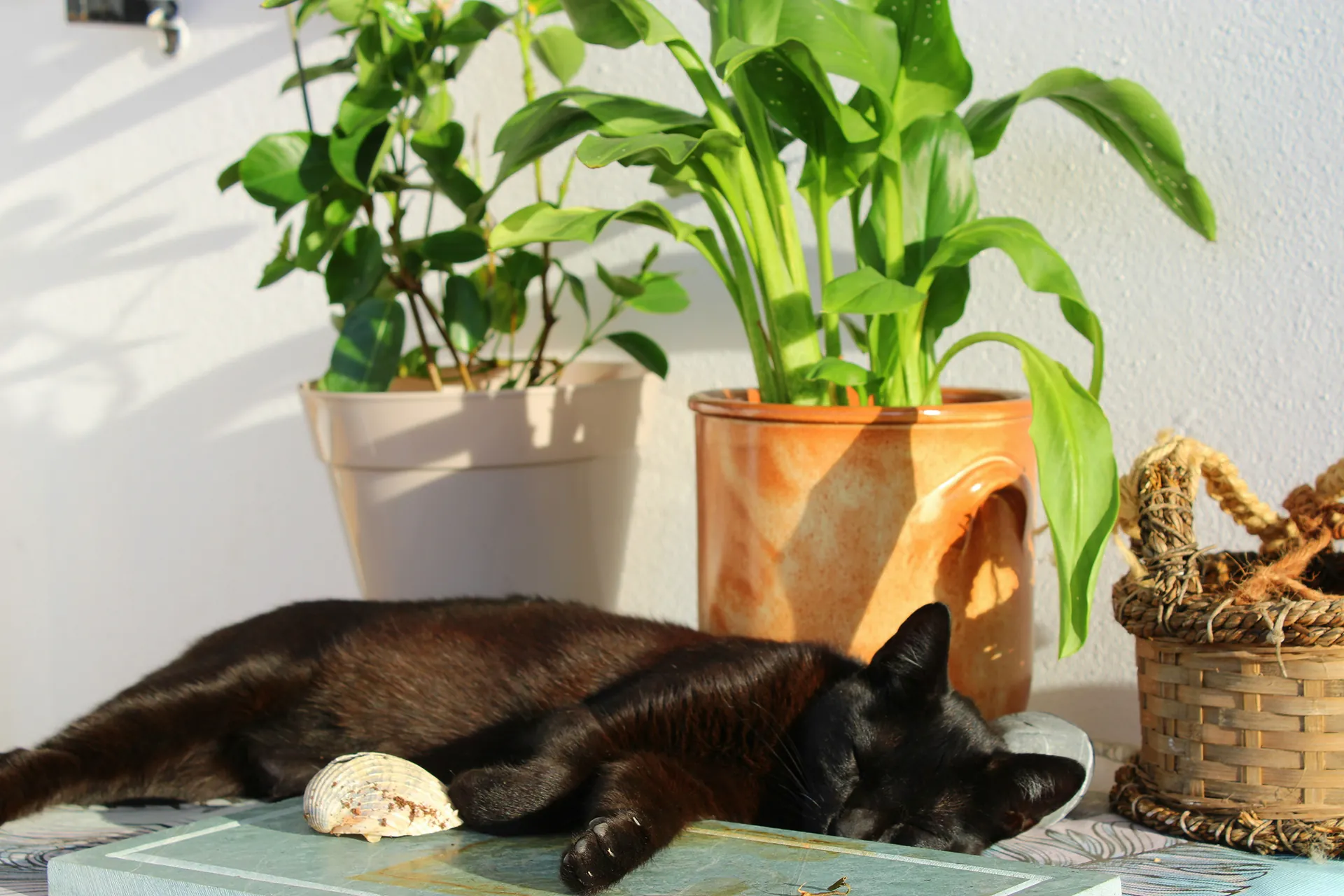
You just finished your weekly watering routine, giving your indoor jungle a fresh dose of liquid fertilizer. You turn your back for a split second, and there it is: your cat is happily lapping up the murky, brown drainage water pooling in the plant saucer. Instant panic sets in. Is this toxic? Is my cat going to be okay? Do I need to rush to the emergency vet right now?
Don’t panic—we’ve all been there! Balancing life as a devoted plant parent and a pet owner often means dealing with a sneaky cat who thinks every water source in the house belongs to them. While synthetic plant fertilizers sound terrifying on paper, the context of how your cat consumed it changes the danger level significantly. Let’s break down exactly what is in that run-off water and what you should do next.
Quick Risk Assessment
| What Your Cat Drank | Toxicity Risk Level | What You Should Do |
| Diluted run-off water from the saucer | Low to Mild | Monitor your cat closely for 24 hours; expect mild stomach upset. |
| Water containing slow-release fertilizer beads | Moderate | Remove the beads. Watch for vomiting or signs of a stomach blockage. |
| Straight, undiluted liquid fertilizer from the bottle | High | Call your vet or an animal poison control center immediately. |
What Is Actually in That Run-Off Water?
Most standard indoor plant fertilizers are made of NPK (Nitrogen, Phosphorus, and Potassium), along with trace minerals like iron and zinc. In their highly concentrated, undiluted liquid form in the bottle, these chemicals are absolutely toxic and dangerous to pets.
However, when you mix half a teaspoon of that fertilizer into a large watering can, and then pour it through a pot of dense soil, the water that finally trickles out the bottom is incredibly diluted. If your cat takes a few licks of this run-off water, they are consuming a microscopic amount of the actual chemical.
What symptoms to expect
While highly diluted run-off water is rarely fatal, it is still not meant for consumption. The most common reaction is mild gastrointestinal distress. Within a few hours, you might notice your cat drooling slightly, losing their appetite, or experiencing an isolated episode of vomiting or diarrhea. If these symptoms last more than a day, or if your cat becomes highly lethargic, it is time to call the vet.
How to Fix It (And Prevent It from Happening Again)
Cats are stubborn creatures, and once they decide a plant saucer is their new favorite water bowl, they will keep going back to it. Here are three foolproof ways to stop this behavior and protect both your pets and your plants.
1. The 15-Minute Rule
Never leave standing water in your plant saucers. Not only does this invite gnats and cause root rot for your plants, but it creates a dangerous drinking puddle. After watering your plants, set a timer for 15 minutes to let the soil absorb what it needs. Then, meticulously empty every single drip tray in the house.
2. Switch to Bottom-Watering
If you bottom-water your plants, you eliminate the run-off problem entirely. Fill a large basin or bathtub with your diluted fertilizer water, let your plants soak up the moisture from the bottom for 30 minutes, and then let them drain completely in the sink before putting them back in their decorative pots. There will be zero accessible water for your cat to find.
3. Change to Pet-Safe Alternatives
If your cat is relentlessly drawn to the plant water, stop using synthetic chemical fertilizers. Switch to gentle, organic alternatives like liquid worm castings (vermicompost tea) or heavily diluted liquid kelp. While you still don’t want your cat drinking these, they are significantly safer and less harsh on a tiny digestive system if a few accidental licks happen.
Frequently Asked Questions
Can plant fertilizer kill a cat?
Pure, undiluted synthetic fertilizer straight from the bottle or bag is highly toxic and can be fatal to cats if ingested in significant amounts. However, the heavily diluted run-off water in a plant saucer is rarely life-threatening, usually only causing temporary vomiting or stomach upset.
Are organic dry fertilizers like bone meal safe for cats?
While bone meal, blood meal, and fish meal are organic and free of synthetic chemicals, they are highly attractive to cats and dogs because they smell like meat. If a cat eats a large amount of fertilizer-laced potting soil trying to get to the bone meal, it can cause a severe, life-threatening intestinal blockage. Always mix dry fertilizers deep into the soil where pets cannot smell them.
What should I do immediately if my cat drinks fertilizer water?
Remove the cat from the area and clean up any remaining water. Do not try to induce vomiting at home. Provide fresh, clean drinking water to help flush their system, and monitor them closely for signs of drooling, lethargy, or repeated vomiting over the next 12 to 24 hours.