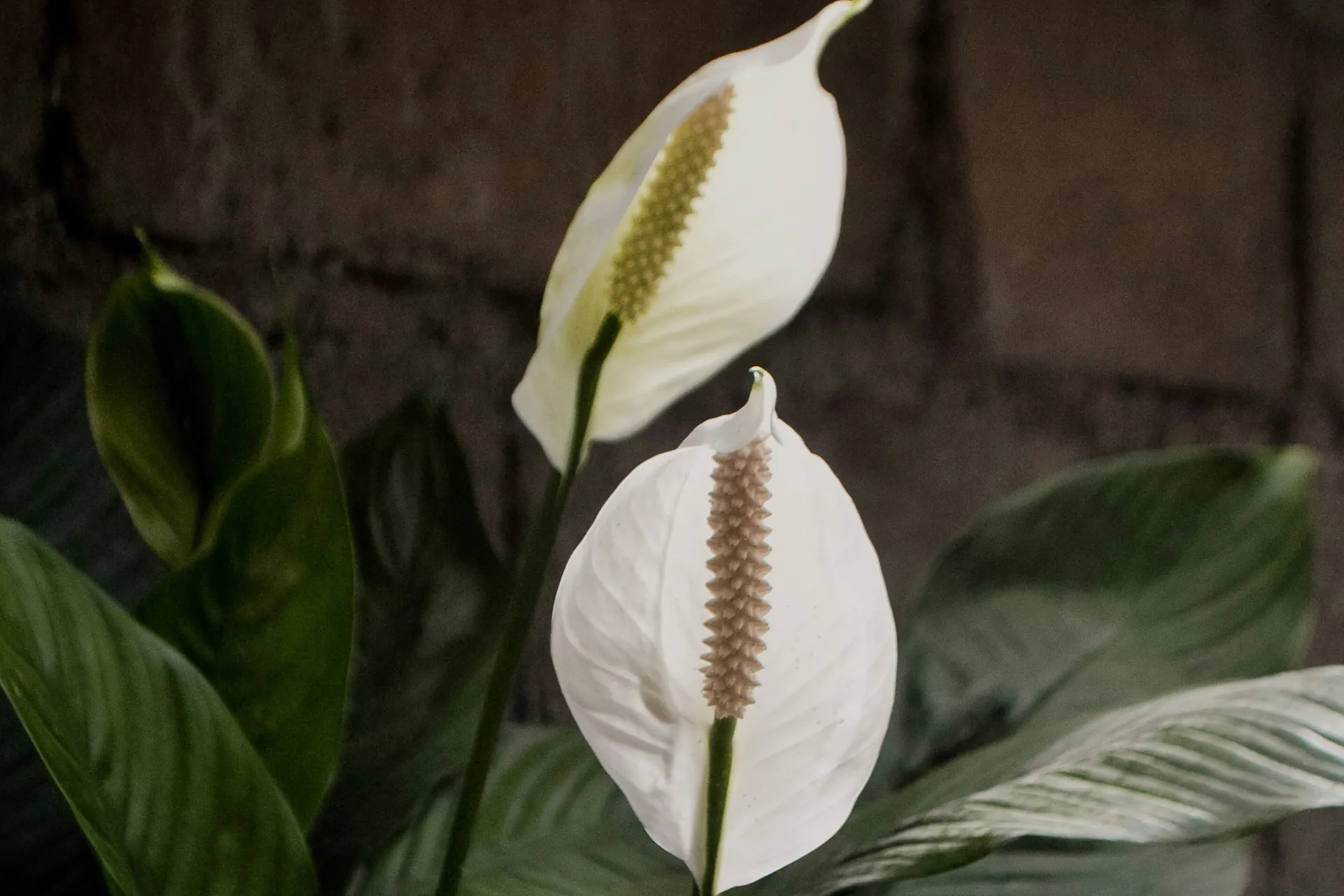
You’re staring at your Peace Lily, noticing it looks a little less vibrant than it did a few years ago, and wondering: Is my plant just getting old, or am I doing something wrong? We’ve all been there! As plant parents, it’s easy to panic and assume our green roomies have a strict expiration date.
Here is the fantastic news: on average, an indoor Peace Lily (Spathiphyllum) lives for 3 to 5 years with basic care, but with the right environment, they can easily live for 10 to 20 years or more. In fact, they are practically immortal if you know how to divide them. If your older plant is starting to look sad, it isn’t dying of old age—it’s just crying out for a little maintenance. Let’s figure out what is actually stressing your plant and how to give it a fresh lease on life.
Is Your Peace Lily Aging or Just Stressed? (Quick Diagnostic)
Before we start doing plant surgery, let’s figure out if your plant is showing normal signs of aging or if it’s suffering from a fixable care issue.
| Symptom | Normal Aging | Serious Care Problem | The Quick Action |
| Yellowing Leaves | Only the oldest, bottom-most leaves occasionally turn yellow and drop off. | Many leaves turning mushy and yellow at once. | Check for Root Rot: Stop watering immediately and check the soil. |
| No Flowers | The plant is large, crowded, and hasn’t bloomed in over a year. | The plant is young but placed in a dark, windowless corner. | More Light / Divide: Move to bright indirect light or divide the roots. |
| Stunted Growth | The pot is completely full of leaves with no visible dirt left on top. | The plant stopped growing and leaves have crispy brown edges. | Repot / Flush: Move to a larger pot or flush tap water minerals out of the soil. |
What Causes an Early Demise (and How to Fix It)
Plants don’t just “die of old age” out of nowhere. When a mature Peace Lily starts declining, it is usually facing one of these three common bottlenecks.
1. The Chokehold: Being Severely Rootbound
As your Peace Lily gets older, its root system continuously expands. Eventually, the roots run out of room and start circling the bottom of the pot, choking themselves. A severely rootbound plant can’t absorb water or nutrients properly, causing the whole plant to look tired, droopy, and refuse to flower.
How to fix it: You have two options. The first is to pull the plant out and repot it into a container that is 2 inches larger in diameter. The second (and best) option to extend its lifespan indefinitely is division. Take the plant out of the pot and gently pull the root ball apart into two or three smaller sections. Plant each section in its own pot with fresh potting soil. Congratulations, you just cloned your plant!
2. The Slow Poison: Mineral Buildup in Old Soil
If your Peace Lily has been in the same soil for over two years, the potting mix is likely completely depleted of nutrients. Worse, if you water with tap water, chlorine, fluoride, and excess fertilizer salts have built up in that old soil. This burns the roots, leading to a slow decline and those ugly, crispy brown leaf tips.
How to fix it: Don’t panic, this is easily reversible. First, carefully flush the soil by running distilled water or rainwater through the pot for a few minutes until it drains out the bottom completely clear. To truly fix the issue, repot the plant in fresh, chunky soil (a mix of potting soil, perlite, and orchid bark is perfect). Moving forward, water only with filtered water.
3. The Silent Killer: Overwatering and Root Rot
It doesn’t matter if your Peace Lily is 6 months old or 15 years old—overwatering will kill it faster than anything else. Because mature plants have less soil and more roots in their pots, water drainage can become an issue. If your old plant is wilting but the soil is wet, it is suffocating.
How to fix it: Pull the plant from its pot and inspect the roots. Snip away any mushy, brown, or foul-smelling roots with sterilized scissors. Leave only the firm, light-colored roots. Repot in a highly porous soil mix and wait to water until the top two inches of soil feel completely dry to the touch.
Frequently Asked Questions
How do I get an older peace lily to bloom again?
Peace lilies need bright, indirect sunlight to produce flowers. If your plant is older and in a well-lit spot but still won’t bloom, it likely needs to be divided or requires a nutrient boost. Apply a balanced, water-soluble houseplant fertilizer diluted to half-strength once a month during the spring and summer.
Should I cut the dead leaves off my peace lily?
Yes. Whether the leaves are yellowing from old age or a care issue, you should always prune them. The plant cannot heal a yellow or brown leaf, and leaving it attached forces the plant to waste valuable energy. Cut the dying stem all the way down at the base of the plant using clean scissors.
Do peace lilies actually purify the air?
Yes, but the effect is often exaggerated. While the famous NASA Clean Air Study did find that Peace Lilies can remove toxins like formaldehyde and benzene from the air, you would need a massive amount of plants in a single room to significantly impact your home’s air quality. Enjoy them for their beauty and mental health benefits first!